
Dr. Amir Ali Abbasi
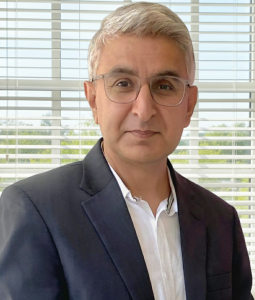
Professor of Bioinformatics (Comparative Genomics)
National Centre for Bioinformatics, Quaid-i-Azam University, Islamabad,
Pakistan
| Designation | Professor |
| abbasiam@qau.edu.pk | |
| Office Phone | +92-051 9064-4109 |
| Research Area | Bioinformatics, comparative genomics, gene regulation, evo-devo, and evolutionary genomic medicine |
International Appointment
CAS-PIFI Visiting Scientist
China National Center for Bioinformation / Beijing Institute of Genomics
Chinese Academy of Sciences, Beijing, China
October 2024 – April 2026
CNCB-NGDC:https://ngdc.cncb.ac.cn/?lang=en
Academic Qualifications
- PhD: Philipps University Marburg, Germany
- M.Phil: Quaid-i-Azam University, Islamabad, Pakistan
- M.Sc: Quaid-i-Azam University, Islamabad, Pakistan (President and Chancellor Gold Medallist)
Education
I completed my Secondary School Certificate (SSC) and Higher Secondary School Certificate (HSSC) in the Science group from the Federal Board of Intermediate and Secondary Education (FBISE), Islamabad. I pursued my Bachelor’s education in Biological Sciences at IMCB H-9, Islamabad, with the degree awarded by the University of the Punjab, Pakistan.I then obtained M.Sc. and M.Phil. degrees (1999–2003) in Biochemistry/Molecular Biology from the Department of Biological Sciences, Quaid-i-Azam University, Islamabad, Pakistan.During this period, I received academic distinctions, including the President and Chancellor Gold Medals for my M.Sc. performance (1999–2001), securing first position across the Faculty of Biological Sciences and the Faculty of Natural Sciences.My M.Phil. thesis research, supervised by Prof. Dr. Wasim Ahmad (2001–2003), was titled “Linkage Studies of Hearing Impairment Loci in Pakistani Kindreds” and led to my first scientific publication.
Professional Journey
After completing my early academic training, I began my teaching career at Hazara University, Pakistan (2003–2004). I subsequently received a scholarship funded by the Higher Education Commission (HEC), Pakistan, and DAAD, Germany, which supported my doctoral studies at the Center for Human Genetics, Philipps University Marburg, Germany, under the supervision of Prof. Karl-Heinz Grzeschik (2005–2008).My doctoral research focused on the non-coding cis-regulatory architecture of the human/mammalian Gli3 gene, using comparative genomics, transgenic zebrafish and mouse models, and in vitro assays in human cell lines.
After completing my PhD, I joined the National Center for Bioinformatics, Quaid-i-Azam University, Islamabad, as an Assistant Professor in 2008. I was later promoted to Associate Professor in 2015 and Full Professor in 2021.Over the years, I have led a research group working at the interface of functional genomics, molecular phylogenetics, evolutionary developmental biology (evo-devo), comparative genomics, and evolutionary genomic medicine.
A major contribution of our group has been the establishment of Pakistan’s first zebrafish facility dedicated to functional genomic assays of human non-coding cis-regulatory elements.This facility also serves as a training platform for M.Phil. and Ph.D. scholars in zebrafish husbandry, breeding, embryo handling, and reporter-based enhancer assays.It is equipped with essential instrumentation for generating transgenic zebrafish embryos and monitoring reporter gene expression, including GFP expression under the cis-regulatory control of human developmental enhancers.
Our research has produced numerous publications in international peer-reviewed journals, with many contributions led from our laboratory.We have also supervised Ph.D. and M.Phil. scholars, secured national and international research grants, and contributed to capacity building in functional genomics and comparative bioinformatics in Pakistan.
Over the years, our research group has established long-term collaborative bonds with several reputed international research teams and institutes working in gene regulation and evo-devo, big data in health sciences, comparative and conservation genomics, human disease genetics, and evolutionary genomic medicine. These collaborations have strengthened our group’s international research profile and created opportunities for joint publications, data-driven resources, training, and scientific exchange.
Selected Research and Resource Links
- Database PAHG:https://www.pahgncb.com
- PAHG, Quaid-i-Azam University mirror:http://pahg.qau.edu.pk/
- National Genomics Data Center (NGDC):https://ngdc.cncb.ac.cn/?lang=en
- Forebrain enhancers:https://bit.ly/4kQ7rWU
- GitHub:https://github.com/abbasiam77
- ResearchGate:https://www.researchgate.net/profile/Amir_Abbasi3
- Google Scholar:https://scholar.google.com/citations?user=t7JMIOEAAAAJ&hl=en
- BHBD Alliance:http://bhbd-alliance.org/
Brief Profile Summary
Dr. Amir Ali Abbasi is Professor of Bioinformatics at the National Centre for Bioinformatics, Quaid-i-Azam University, Islamabad. His research focuses on comparative genomics, cis-regulatory evolution, functional genomics, evo-devo, molecular phylogenetics, and evolutionary genomic medicine. His group integrates computational and experimental approaches to study gene regulation, non-coding genomic elements, and disease-associated genomic variation.
Research Interests
Bioinformatics: Comparative and Functional Genomics
Total Publications
| 1 . | Azhar, R., Malik, M. F., Arif, R., Khokhar, M. W., Abbasi, Y. M., Batool, F., Jalalzai, M. H., Bao, Y., & Abbasi, A. A. (2025). Correction: PAHG: the database of human multi-gene families. BMC Genomic Data, 26(1), 91. https://doi.org/10.1186/s12863-025-01386-3 |
| 2 . | Azhar, R., Malik, M. F., Arif, R., Khokhar, M. W., Abbasi, Y. M., Batool, F., Jalalzai, M. H., Bao, Y., & Abbasi, A. A. (2025). PAHG: the database of human multi-gene families. BMC Genomic Data, 26(1), 74. https://doi.org/10.1186/s12863-025-01361-y |
| 3 . | Raza, R. Z., Nazir, F., & Abbasi, A. A. (2025). Genetic Foundations of Human Brain Evolution: A Study of IRX3-Associated Human Accelerated Enhancer and the P422L Mutation. Evolutionary Biology, 52, 182–196. https://doi.org/10.1007/s11692-025-09654-x |
| 4 . | Batool, F., Shireen, H., Malik, M. F., Abrar, M., & Abbasi, A. A. (2025). The combinatorial binding syntax of transcription factors in forebrain-specific enhancers. Biology Open, 14(2), BIO061751. https://doi.org/10.1242/bio.061751 |
| 5 . | Shireen, H., Batool, F., Khatoon, H., Parveen, N., Sehar, N. U., Hussain, I., Ali, S., & Abbasi, A. A. (2025). Predicting genome-wide tissue-specific enhancers via combinatorial transcription factor genomic occupancy analysis. FEBS Letters, 599, 100–119. https://doi.org/10.1002/1873-3468.15030 |
| 6 . | Mughal, K. A., Khan, A., Sarwar, A., et al. and Abbasi, A. A. (2024). Comparative protein structural analyses of α-synuclein linked pathogenic variants reveal the role of N-terminally located critical region in Parkinson’s disease pathogenesis. Biologia, 79, 2285–2298. https://doi.org/10.1007/s11756-024-01713-6 |
| 7 . | Jabeen, M., Shoukat, S., Shireen, H., et al. and Abbasi, A. A. (2024). Unraveling the genetic variations underlying virulence disparities among SARS-CoV-2 strains across global regions: insights from Pakistan. Virology Journal, 21, 55. https://doi.org/10.1186/s12985-024-02328-8 |
| 8 . | Abrar, M., Ali, S., Hussain, I., Khatoon, H., Batool, F., Ghazanfar, S., Corcoran, D., Kawakami, Y., & Abbasi, A. A. (2024). Cis-regulatory control of mammalian Trps1 gene expression. Journal of Experimental Zoology Part B: Molecular and Developmental Evolution, 342, 85–100. https://doi.org/10.1002/jez.b.23246 |
| 9 . | Ali, S., Abrar, M., Hussain, I., Batool, F., Raza, R. Z., Khatoon, H., Zoia, M., Visel, A., Shubin, N. H., Osterwalder, M., & Abbasi, A. A. (2024). Identification of ancestral gnathostome Gli3 enhancers with activity in mammals. Development, Growth & Differentiation, 66(1), 75–88. https://doi.org/10.1111/dgd.12901 |
| 10 . | Ma, L., Zou, D., Liu, L., Shireen, H., Abbasi, A. A., Bateman, A., Xiao, J., Zhao, W., Bao, Y., & Abbasi, A. A. (2023). Database Commons: A catalog of worldwide biological databases. Genomics, Proteomics & Bioinformatics, 21(5), 1054–1058. https://doi.org/10.1016/j.gpb.2022.12.004 |
| 11 . | Khatoon, H., Raza, R. Z., Saleem, S., et al. and Abbasi, A. A. (2023). Evolutionary relevance of single nucleotide variants within the forebrain exclusive human accelerated enhancer regions. BMC Molecular and Cell Biology, 24, 13. https://doi.org/10.1186/s12860-023-00474-5 |
| 12 . | Song, S., Li, C., Kang, L., Tian, D., Badar, N., Ma, W., Zhao, S., Jiang, X., Wang, C., Sun, Y., Li, W., Lei, M., Li, S., Qi, Q., Ikram, A., Salman, M., Umair, M., Shireen, H., Batool, F., Zhang, B., Chen, H., Yang, Y.-G., Abbasi, A. A., Li, M., Xue, Y., & Bao, Y. (2021). Genomic epidemiology of SARS-CoV-2 in Pakistan. Genomics, Proteomics & Bioinformatics, 19(5), 727–740. https://doi.org/10.1016/j.gpb.2021.08.007 |
| 13 . | Raza, R. Z., Ma, L., Zhang, Z., Bao, Y., & Abbasi, A. A. (2021). Selection trends on nasal-associated SNP variants across human populations. Meta Gene, 28, 100872. https://doi.org/10.1016/j.mgene.2021.100872 |
| 14 . | Pervaiz, N., Kang, H., Bao, Y., et al. and Abbasi, A. A. (2021). Molecular evolutionary analysis of human primary microcephaly genes. BMC Ecology and Evolution, 21, 76. https://doi.org/10.1186/s12862-021-01801-0 |
| 15 . | Ali, S., Arif, I., Iqbal, A., et al. and Abbasi, A. A. (2021). Comparative genomic analysis of human GLI2 locus using slowly evolving fish revealed the ancestral gnathostome set of early developmental enhancers. Developmental Dynamics, 250, 669–683. https://doi.org/10.1002/dvdy.291 |
| 16 . | Khan, A., Zia, T., Suleman, M., Khan, T., Ali, S. S., Abbasi, A. A., Mohammad, A., & Wei, D. (2021). Higher infectivity of the SARS-CoV-2 new variants is associated with K417N/T, E484K, and N501Y mutants: An insight from structural data. Journal of Cellular Physiology, 236, 7045–7057. https://doi.org/10.1002/jcp.30367 |
| 17 . | Hussain, I., Raza, R. Z., Ali, S., et al. and Abbasi, A. A. (2021). Molecular signatures of selection on the human GLI3 associated central nervous system specific enhancers. Development Genes and Evolution, 231, 21–32. https://doi.org/10.1007/s00427-021-00672-1 |
| 18 . | Yong, X., Yi, B., Zhang, Z., Wen, Z., Jing, X., & Shun, H. (2021). China National Center for Bioinformation in 2021. Nucleic Acids Research, 49(D1), D18–D28. https://doi.org/10.1093/nar/gkaa1022 |
| 19 . | Batool, F., Pervaiz, N., Khalid, Q., & Abbasi, A. A. (2021). Evolution of Human Multigene Families. eLS, 2, 1–8. https://doi.org/10.1002/9780470015902.a0029116 |
| 20 . | Hussain, I., Pervaiz, N., Khan, A., et al. and Abbasi, A. A. (2020). Evolutionary and structural analysis of SARS-CoV-2 specific evasion of host immunity. Genes and Immunity, 21, 409–419. https://doi.org/10.1038/s41435-020-00120-6 |
| 21 . | Nawaz, M. S., Asghar, R., Pervaiz, N., et al. and Abbasi, A. A. (2020). Molecular evolutionary and structural analysis of human UCHL1 gene demonstrates the relevant role of intragenic epistasis in Parkinson’s disease and other neurological disorders. BMC Evolutionary Biology, 20, 130. https://doi.org/10.1186/s12862-020-01684-7 |
| 22 . | National Genomics Data Center Members and Partners. Database resources of the National Genomics Data Center in 2020. Nucleic Acids Research, 48(D1), D24–D33. https://doi.org/10.1093/nar/gkz913 |
| 23 . | Wang, G., Yin, H., Li, B., Yu, C., Wang, F., Xu, X., Cao, J., Bao, Y., Wang, L., & Abbasi, A. A., Bajic, V. B., Ma, L., Zhang, Z. (2019). Characterization and identification of long non-coding RNAs based on feature relationship. Bioinformatics, 35(17), 2949–2956. https://doi.org/10.1093/bioinformatics/btz008 |
| 24 . | Ma, L., Cao, J., Liu, L., Li, Z., Shireen, H., Pervaiz, N., Batool, F., Raza, R. Z., Zou, D., Bao, Y., & Abbasi, A. A., Zhang, Z. (2019). Community curation and expert curation of human long noncoding RNAs with LncRNAWiki and LncBook. Current Protocols in Bioinformatics, 67, e82. https://doi.org/10.1002/cpbi.82 |
| 25 . | Pervaiz, N., Shakeel, N., Qasim, A., et al. and Abbasi, A. A. (2019). Evolutionary history of the human multigene families reveals widespread gene duplications throughout the history of animals. BMC Evolutionary Biology, 19, 128. https://doi.org/10.1186/s12862-019-1441-0 |
| 26 . | Seemab, S., Pervaiz, N., Zehra, R., et al. and Abbasi, A. A. (2019). Molecular evolutionary and structural analysis of familial exudative vitreoretinopathy associated FZD4 gene. BMC Evolutionary Biology, 19, 72. https://doi.org/10.1186/s12862-019-1400-9 |
| 27 . | BIG Data Center Members. Database resources of the BIG Data Center in 2019. Nucleic Acids Research, 47(D1), D8–D14. https://doi.org/10.1093/nar/gky993 |
| 28 . | Zehra, R., & Abbasi, A. A. (2018). Homo sapiens-specific binding site variants within brain exclusive enhancers are subject to accelerated divergence across human population. Genome Biology and Evolution, 10(3), 956–966. https://doi.org/10.1093/gbe/evy052 |
| 29 . | Naz, R., Tahir, S., & Abbasi, A. A. (2017). An insight into the evolutionary history of human MHC paralogon. Molecular Phylogenetics and Evolution, 110, 1–6. https://doi.org/10.1016/j.ympev.2017.02.015 |
| 30 . | Ali, S., Amina, B., Anwar, S., Minhas, R., Parveen, N., Nawaz, U., Azam, S. S., & Abbasi, A. A. (2016). Genomic features of human limb specific enhancers. Genomics, 108(3–4), 143–150. https://doi.org/10.1016/j.ygeno.2016.08.003 |
| 31 . | Pervaiz, N., & Abbasi, A. A. (2016). Molecular evolution of WDR62, a gene that regulates neocorticogenesis. Meta Gene, 9, 1–9. https://doi.org/10.1016/j.mgene.2016.02.005 |
| 32 . | Siddiqui, I., Pervaiz, N., & Abbasi, A. A. (2016). The Parkinson Disease gene SNCA: Evolutionary and structural insights with pathological implication. Scientific Reports, 6, 24475. https://doi.org/10.1038/srep24475 |
| 33 . | Hafeez, M., Shabbir, M., Altaf, F., & Abbasi, A. A. (2016). Phylogenomic analysis reveals ancient segmental duplications in the human genome. Molecular Phylogenetics and Evolution, 94(Pt A), 95–100. https://doi.org/10.1016/j.ympev.2015.08.019 |
| 34 . | Ali, S., et al. Genomic features of human limb specific enhancers. Genomics (2016). http://dx.doi.org/10.1016/j.ygeno.2016.08.003 |
| 35 . | Abbasi, A. A. (2015). Diversification of four human HOX gene clusters by step-wise evolution rather than ancient whole-genome duplications. Development Genes and Evolution, 225, 353–357. https://doi.org/10.1007/s00427-015-0518-z |
| 36 . | Anwar, S., Minhas, R., Ali, S., Lambert, N., Kawakami, Y., Elgar, G., Azam, S. S., & Abbasi, A. A. (2015). Identification and functional characterization of novel transcriptional enhancers involved in regulating human GLI3 expression during early development. Development, Growth & Differentiation, 57, 570–580. https://doi.org/10.1111/dgd.12239 |
| 37 . | Yousaf, A., Raza, M. S., & Abbasi, A. A. (2015). The evolution of bony vertebrate enhancers at odds with their coding sequence landscape. Genome Biology and Evolution, 7(8), 2333–2343. https://doi.org/10.1093/gbe/evv146 |
| 38 . | Minhas, R., Pauls, S., Ali, S., Doglio, L., Khan, M. R., Elgar, G., & Abbasi, A. A. (2015). Cis-regulatory control of human GLI2 expression in the developing neural tube and limb bud. Developmental Dynamics, 244, 681–692. https://doi.org/10.1002/dvdy.24266 |
| 39 . | Ajmal, W., Khan, H., & Abbasi, A. A. (2014). Phylogenetic investigation of human FGFR-bearing paralogons favors piecemeal duplication theory of vertebrate genome evolution. Molecular Phylogenetics and Evolution, 81, 49–60. https://doi.org/10.1016/j.ympev.2014.09.009 |
| 40 . | Ambreen, S., Khalil, F., & Abbasi, A. A. (2014). Integrating large-scale phylogenetic datasets to dissect the ancient evolutionary history of vertebrate genome. Molecular Phylogenetics and Evolution, 78, 1–13. https://doi.org/10.1016/j.ympev.2014.05.002 |
| 41 . | Abbasi, A. A., Minhas, R., Schmidt, A., Koch, S., & Grzeschik, K.-H. (2013). Cis-regulatory underpinnings of human GLI3 expression in embryonic craniofacial structures and internal organs. Development, Growth & Differentiation, 55, 699–709. https://doi.org/10.1111/dgd.12076 |
| 42 . | Asrar, Z., Haq, F., & Abbasi, A. A. (2013). Fourfold paralogy regions on human HOX-bearing chromosomes: Role of ancient segmental duplications in the evolution of vertebrate genome. Molecular Phylogenetics and Evolution, 66(3), 737–747. https://doi.org/10.1016/j.ympev.2012.10.024 |
| 43 . | Parveen, N., Masood, A., Iftikhar, N., et al. & Abbasi, A. A. (2013). Comparative genomics using teleost fish helps to systematically identify target gene bodies of functionally defined human enhancers. BMC Genomics, 14, 122. https://doi.org/10.1186/1471-2164-14-122 |
| 44 . | Abbasi, A. A., Hanif, H. (2012). Phylogenetic history of paralogous gene quartets on human chromosomes 1, 2, 8 and 20 provides no evidence in favor of the vertebrate octoploidy hypothesis. Molecular Phylogenetics and Evolution, 63(3), 922–927. https://doi.org/10.1016/j.ympev.2012.02.028 |
| 45 . | Abbasi, A. A. (2011). Molecular evolution of HR, a gene that regulates the postnatal cycle of the hair follicle. Scientific Reports, 1, 32. https://doi.org/10.1038/srep00032 |
| 46 . | Abbasi, A. A. (2011). Evolution of vertebrate appendicular structures: Insight from genetic and palaeontological data. Developmental Dynamics, 240, 1005–1016. https://doi.org/10.1002/dvdy.22572 |
| 47 . | Abbasi, A. A. (2010). Unraveling ancient segmental duplication events in human genome by phylogenetic analysis of multigene families residing on HOX-cluster paralogons. Molecular Phylogenetics and Evolution, 57(2), 836–848. https://doi.org/10.1016/j.ympev.2010.07.021 |
| 48 . | Abbasi, A. A., Paparidis, Z., Malik, S., et al. (2010). Human intronic enhancers control distinct sub-domains of Gli3 expression during mouse CNS and limb development. BMC Developmental Biology, 10, 44. https://doi.org/10.1186/1471-213X-10-44 |
| 49 . | Abbasi, A. A. (2010). Piecemeal or big bangs: correlating the vertebrate evolution with proposed models of gene expansion events. Nature Reviews Genetics, 11, 166. https://doi.org/10.1038/nrg2600-c1 |
| 50 . | Abbasi, A. A., Paparidis, Z., Malik, S., Weirich, C., & Grzeschik, K.-H. (2009). 13-P048 Expression patterning in CNS and limb from fish to mammals by GLI3-intronic enhancers. Mechanisms of Development, 126(Supplement), S209. https://doi.org/10.1016/j.mod.2009.06.521 |
| 51 . | Abbasi, A. A., Goode, D. K., Amir, S., & Grzeschik, K.-H. (2009). Evolution and functional diversification of the GLI family of transcription factors in vertebrates. Evolutionary Bioinformatics, 5, EBO-S2322. https://doi.org/10.4137/EBO.S2322 |
| 52 . | Abbasi, A. A. (2008). Are we degenerate tetraploids? More genomes, new facts. Biology Direct, 3, 50. https://doi.org/10.1186/1745-6150-3-50 |
| 53 . | Abbasi, A. A. (2008). GLI genes: Cis-Acting Regulatory Elements. https://doi.org/10.17192/z2008.0410 |
| 54 . | Abbasi, A. A., Grzeschik, K.-H. (2007). An insight into the phylogenetic history of HOX linked gene families in vertebrates. BMC Evolutionary Biology, 7, 239. https://doi.org/10.1186/1471-2148-7-239 |
| 55 . | Paparidis, Z., Abbasi, A. A., Malik, S., Goode, D. K., Callaway, H., Elgar, G., DeGraaff, E., Lopez-Rios, J., Zeller, R., & Grzeschik, K.-H. (2007). Ultraconserved non-coding sequence element controls a subset of spatiotemporal GLI3 expression. Development, Growth & Differentiation, 49, 543–553. https://doi.org/10.1111/j.1440-169X.2007.00954.x |
| 56 . | Abbasi, A. A., Paparidis, Z., Malik, S., Goode, D. K., Callaway, H., Elgar, G., & Grzeschik, K.-H. (2007). Human GLI3 intragenic conserved non-coding sequences are tissue-specific enhancers. PLoS ONE, 2(4), e366. https://doi.org/10.1371/journal.pone.0000366 |
| 57 . | Malik, S., Abbasi, A. A., Ansar, M., Ahmad, W., Koch, M., & Grzeschik, K.-H. (2006). Genetic heterogeneity of synpolydactyly: a novel locus SPD3 maps to chromosome 14q11.2-q12. Clinical Genetics, 69, 518–524. https://doi.org/10.1111/j.1399-0004.2006.00620.x |
| 58 . | Wajid, M., Abbasi, A. A., Ansar, M., et al. (2003). DFNB39, a recessive form of sensorineural hearing impairment, maps to chromosome 7q11.22–q21.12. European Journal of Human Genetics, 11, 812–815. https://doi.org/10.1038/sj.ejhg.5201041 |
Last Five Years Publications
| 1 . | Azhar, R., Malik, M. F., Arif, R., Khokhar, M. W., Abbasi, Y. M., Batool, F., Jalalzai, M. H., Bao, Y., & Abbasi, A. A. (2025). Correction: PAHG: the database of human multi-gene families. BMC Genomic Data, 26(1), 91. https://doi.org/10.1186/s12863-025-01386-3 |
| 2 . | Azhar, R., Malik, M. F., Arif, R., Khokhar, M. W., Abbasi, Y. M., Batool, F., Jalalzai, M. H., Bao, Y., & Abbasi, A. A. (2025). PAHG: the database of human multi-gene families. BMC Genomic Data, 26(1), 74. https://doi.org/10.1186/s12863-025-01361-y |
| 3 . | Raza, R. Z., Nazir, F., & Abbasi, A. A. (2025). Genetic Foundations of Human Brain Evolution: A Study of IRX3-Associated Human Accelerated Enhancer and the P422L Mutation. Evolutionary Biology, 52, 182–196. https://doi.org/10.1007/s11692-025-09654-x |
| 4 . | Batool, F., Shireen, H., Malik, M. F., Abrar, M., & Abbasi, A. A. (2025). The combinatorial binding syntax of transcription factors in forebrain-specific enhancers. Biology Open, 14(2), BIO061751. https://doi.org/10.1242/bio.061751 |
| 5 . | Shireen, H., Batool, F., Khatoon, H., Parveen, N., Sehar, N. U., Hussain, I., Ali, S., & Abbasi, A. A. (2025). Predicting genome-wide tissue-specific enhancers via combinatorial transcription factor genomic occupancy analysis. FEBS Letters, 599, 100–119. https://doi.org/10.1002/1873-3468.15030 |
| 6 . | Mughal, K. A., Khan, A., Sarwar, A., et al. and Abbasi, A. A. (2024). Comparative protein structural analyses of α-synuclein linked pathogenic variants reveal the role of N-terminally located critical region in Parkinson’s disease pathogenesis. Biologia, 79, 2285–2298. https://doi.org/10.1007/s11756-024-01713-6 |
| 7 . | Jabeen, M., Shoukat, S., Shireen, H., et al. and Abbasi, A. A. (2024). Unraveling the genetic variations underlying virulence disparities among SARS-CoV-2 strains across global regions: insights from Pakistan. Virology Journal, 21, 55. https://doi.org/10.1186/s12985-024-02328-8 |
| 8 . | Abrar, M., Ali, S., Hussain, I., Khatoon, H., Batool, F., Ghazanfar, S., Corcoran, D., Kawakami, Y., & Abbasi, A. A. (2024). Cis-regulatory control of mammalian Trps1 gene expression. Journal of Experimental Zoology Part B: Molecular and Developmental Evolution, 342, 85–100. https://doi.org/10.1002/jez.b.23246 |
| 9 . | Ali, S., Abrar, M., Hussain, I., Batool, F., Raza, R. Z., Khatoon, H., Zoia, M., Visel, A., Shubin, N. H., Osterwalder, M., & Abbasi, A. A. (2024). Identification of ancestral gnathostome Gli3 enhancers with activity in mammals. Development, Growth & Differentiation, 66(1), 75–88. https://doi.org/10.1111/dgd.12901 |
| 10 . | Ma, L., Zou, D., Liu, L., Shireen, H., Abbasi, A. A., Bateman, A., Xiao, J., Zhao, W., Bao, Y., & Abbasi, A. A. (2023). Database Commons: A catalog of worldwide biological databases. Genomics, Proteomics & Bioinformatics, 21(5), 1054–1058. https://doi.org/10.1016/j.gpb.2022.12.004 |
| 11 . | Khatoon, H., Raza, R. Z., Saleem, S., et al. and Abbasi, A. A. (2023). Evolutionary relevance of single nucleotide variants within the forebrain exclusive human accelerated enhancer regions. BMC Molecular and Cell Biology, 24, 13. https://doi.org/10.1186/s12860-023-00474-5 |
| 12 . | Song, S., Li, C., Kang, L., Tian, D., Badar, N., Ma, W., Zhao, S., Jiang, X., Wang, C., Sun, Y., Li, W., Lei, M., Li, S., Qi, Q., Ikram, A., Salman, M., Umair, M., Shireen, H., Batool, F., Zhang, B., Chen, H., Yang, Y.-G., Abbasi, A. A., Li, M., Xue, Y., & Bao, Y. (2021). Genomic epidemiology of SARS-CoV-2 in Pakistan. Genomics, Proteomics & Bioinformatics, 19(5), 727–740. https://doi.org/10.1016/j.gpb.2021.08.007 |
| 13 . | Raza, R. Z., Ma, L., Zhang, Z., Bao, Y., & Abbasi, A. A. (2021). Selection trends on nasal-associated SNP variants across human populations. Meta Gene, 28, 100872. https://doi.org/10.1016/j.mgene.2021.100872 |
| 14 . | Pervaiz, N., Kang, H., Bao, Y., et al. and Abbasi, A. A. (2021). Molecular evolutionary analysis of human primary microcephaly genes. BMC Ecology and Evolution, 21, 76. https://doi.org/10.1186/s12862-021-01801-0 |
| 15 . | Ali, S., Arif, I., Iqbal, A., et al. and Abbasi, A. A. (2021). Comparative genomic analysis of human GLI2 locus using slowly evolving fish revealed the ancestral gnathostome set of early developmental enhancers. Developmental Dynamics, 250, 669–683. https://doi.org/10.1002/dvdy.291 |
| 16 . | Khan, A., Zia, T., Suleman, M., Khan, T., Ali, S. S., Abbasi, A. A., Mohammad, A., & Wei, D. (2021). Higher infectivity of the SARS-CoV-2 new variants is associated with K417N/T, E484K, and N501Y mutants: An insight from structural data. Journal of Cellular Physiology, 236, 7045–7057. https://doi.org/10.1002/jcp.30367 |
| 17 . | Hussain, I., Raza, R. Z., Ali, S., et al. and Abbasi, A. A. (2021). Molecular signatures of selection on the human GLI3 associated central nervous system specific enhancers. Development Genes and Evolution, 231, 21–32. https://doi.org/10.1007/s00427-021-00672-1 |
| 18 . | Yong, X., Yi, B., Zhang, Z., Wen, Z., Jing, X., & Shun, H. (2021). China National Center for Bioinformation in 2021. Nucleic Acids Research, 49(D1), D18–D28. https://doi.org/10.1093/nar/gkaa1022 |
| 19 . | Batool, F., Pervaiz, N., Khalid, Q., & Abbasi, A. A. (2021). Evolution of Human Multigene Families. eLS, 2, 1–8. https://doi.org/10.1002/9780470015902.a0029116 |
Gene Regulation and Vertebrate Evolutionary Development (Evo Devo)
| 1 . | Batool, F., Shireen, H., Malik, M. F., Abrar, M., & Abbasi, A. A. (2025). The combinatorial binding syntax of transcription factors in forebrain-specific enhancers. Biology Open, 14(2), BIO061751. https://doi.org/10.1242/bio.061751 |
| 2 . | Shireen, H., Batool, F., Khatoon, H., Parveen, N., Sehar, N. U., Hussain, I., Ali, S., & Abbasi, A. A. (2025). Predicting genome-wide tissue-specific enhancers via combinatorial transcription factor genomic occupancy analysis. FEBS Letters, 599, 100–119. https://doi.org/10.1002/1873-3468.15030 |
| 3 . | Abrar, M., Ali, S., Hussain, I., Khatoon, H., Batool, F., Ghazanfar, S., Corcoran, D., Kawakami, Y., & Abbasi, A. A. (2024). Cis-regulatory control of mammalian Trps1 gene expression. Journal of Experimental Zoology Part B: Molecular and Developmental Evolution, 342, 85–100. https://doi.org/10.1002/jez.b.23246 |
| 4 . | Ali, S., Abrar, M., Hussain, I., Batool, F., Raza, R. Z., Khatoon, H., Zoia, M., Visel, A., Shubin, N. H., Osterwalder, M., & Abbasi, A. A. (2024). Identification of ancestral gnathostome Gli3 enhancers with activity in mammals. Development, Growth & Differentiation, 66(1), 75–88. https://doi.org/10.1111/dgd.12901 |
| 5 . | Ali, S., Arif, I., Iqbal, A., et al. and Abbasi, A. A. (2021). Comparative genomic analysis of human GLI2 locus using slowly evolving fish revealed the ancestral gnathostome set of early developmental enhancers. Developmental Dynamics, 250, 669–683. https://doi.org/10.1002/dvdy.291 |
| 6 . | Wang, G., Yin, H., Li, B., Yu, C., Wang, F., Xu, X., Cao, J., Bao, Y., Wang, L., & Abbasi, A. A., Bajic, V. B., Ma, L., Zhang, Z. (2019). Characterization and identification of long non-coding RNAs based on feature relationship. Bioinformatics, 35(17), 2949–2956. https://doi.org/10.1093/bioinformatics/btz008 |
| 7 . | Ali, S., Amina, B., Anwar, S., Minhas, R., Parveen, N., Nawaz, U., Azam, S. S., & Abbasi, A. A. (2016). Genomic features of human limb specific enhancers. Genomics, 108(3–4), 143–150. https://doi.org/10.1016/j.ygeno.2016.08.003 |
| 8 . | Anwar, S., Minhas, R., Ali, S., Lambert, N., Kawakami, Y., Elgar, G., Azam, S. S., & Abbasi, A. A. (2015). Identification and functional characterization of novel transcriptional enhancers involved in regulating human GLI3 expression during early development. Development, Growth & Differentiation, 57, 570–580. https://doi.org/10.1111/dgd.12239 |
| 9 . | Yousaf, A., Raza, M. S., & Abbasi, A. A. (2015). The evolution of bony vertebrate enhancers at odds with their coding sequence landscape. Genome Biology and Evolution, 7(8), 2333–2343. https://doi.org/10.1093/gbe/evv146 |
| 10 . | Minhas, R., Pauls, S., Ali, S., Doglio, L., Khan, M. R., Elgar, G., & Abbasi, A. A. (2015). Cis-regulatory control of human GLI2 expression in the developing neural tube and limb bud. Developmental Dynamics, 244, 681–692. https://doi.org/10.1002/dvdy.24266 |
| 11 . | Abbasi, A. A., Minhas, R., Schmidt, A., Koch, S., & Grzeschik, K.-H. (2013). Cis-regulatory underpinnings of human GLI3 expression in embryonic craniofacial structures and internal organs. Development, Growth & Differentiation, 55, 699–709. https://doi.org/10.1111/dgd.12076 |
| 12 . | Parveen, N., Masood, A., Iftikhar, N., et al. & Abbasi, A. A. (2013). Comparative genomics using teleost fish helps to systematically identify target gene bodies of functionally defined human enhancers. BMC Genomics, 14, 122. https://doi.org/10.1186/1471-2164-14-122 |
| 13 . | Abbasi, A. A. (2011). Evolution of vertebrate appendicular structures: Insight from genetic and palaeontological data. Developmental Dynamics, 240, 1005–1016. https://doi.org/10.1002/dvdy.22572 |
| 14 . | Abbasi, A. A., Paparidis, Z., Malik, S., et al. (2010). Human intronic enhancers control distinct sub-domains of Gli3 expression during mouse CNS and limb development. BMC Developmental Biology, 10, 44. https://doi.org/10.1186/1471-213X-10-44 |
| 15 . | Abbasi, A. A., Paparidis, Z., Malik, S., Weirich, C., & Grzeschik, K.-H. (2009). 13-P048 Expression patterning in CNS and limb from fish to mammals by GLI3-intronic enhancers. Mechanisms of Development, 126(Supplement), S209. https://doi.org/10.1016/j.mod.2009.06.521 |
| 16 . | Paparidis, Z., Abbasi, A. A., Malik, S., Goode, D. K., Callaway, H., Elgar, G., DeGraaff, E., Lopez-Rios, J., Zeller, R., & Grzeschik, K.-H. (2007). Ultraconserved non-coding sequence element controls a subset of spatiotemporal GLI3 expression. Development, Growth & Differentiation, 49, 543–553. https://doi.org/10.1111/j.1440-169X.2007.00954.x |
Vertebrate Gene/Genome Evolution
| 1 . | Batool, F., Pervaiz, N., Khalid, Q., & Abbasi, A. A. (2021). Evolution of Human Multigene Families. eLS, 2, 1–8. https://doi.org/10.1002/9780470015902.a0029116 |
| 2 . | Pervaiz, N., Shakeel, N., Qasim, A., et al. and Abbasi, A. A. (2019). Evolutionary history of the human multigene families reveals widespread gene duplications throughout the history of animals. BMC Evolutionary Biology, 19, 128. https://doi.org/10.1186/s12862-019-1441-0 |
| 3 . | Naz, R., Tahir, S., & Abbasi, A. A. (2017). An insight into the evolutionary history of human MHC paralogon. Molecular Phylogenetics and Evolution, 110, 1–6. https://doi.org/10.1016/j.ympev.2017.02.015 |
| 4 . | Hafeez, M., Shabbir, M., Altaf, F., & Abbasi, A. A. (2016). Phylogenomic analysis reveals ancient segmental duplications in the human genome. Molecular Phylogenetics and Evolution, 94(Pt A), 95–100. https://doi.org/10.1016/j.ympev.2015.08.019 |
| 5 . | Abbasi, A. A. (2015). Diversification of four human HOX gene clusters by step-wise evolution rather than ancient whole-genome duplications. Development Genes and Evolution, 225, 353–357. https://doi.org/10.1007/s00427-015-0518-z |
| 6 . | Ajmal, W., Khan, H., & Abbasi, A. A. (2014). Phylogenetic investigation of human FGFR-bearing paralogons favors piecemeal duplication theory of vertebrate genome evolution. Molecular Phylogenetics and Evolution, 81, 49–60. https://doi.org/10.1016/j.ympev.2014.09.009 |
| 7 . | Ambreen, S., Khalil, F., & Abbasi, A. A. (2014). Integrating large-scale phylogenetic datasets to dissect the ancient evolutionary history of vertebrate genome. Molecular Phylogenetics and Evolution, 78, 1–13. https://doi.org/10.1016/j.ympev.2014.05.002 |
| 8 . | Asrar, Z., Haq, F., & Abbasi, A. A. (2013). Fourfold paralogy regions on human HOX-bearing chromosomes: Role of ancient segmental duplications in the evolution of vertebrate genome. Molecular Phylogenetics and Evolution, 66(3), 737–747. https://doi.org/10.1016/j.ympev.2012.10.024 |
| 9 . | Abbasi, A. A., Hanif, H. (2012). Phylogenetic history of paralogous gene quartets on human chromosomes 1, 2, 8 and 20 provides no evidence in favor of the vertebrate octoploidy hypothesis. Molecular Phylogenetics and Evolution, 63(3), 922–927. https://doi.org/10.1016/j.ympev.2012.02.028 |
| 10 . | Abbasi, A. A. (2010). Piecemeal or big bangs: correlating the vertebrate evolution with proposed models of gene expansion events. Nature Reviews Genetics, 11, 166. https://doi.org/10.1038/nrg2600-c1 |
| 11 . | Abbasi, A. A. (2010). Unraveling ancient segmental duplication events in human genome by phylogenetic analysis of multigene families residing on HOX-cluster paralogons. Molecular Phylogenetics and Evolution, 57(2), 836–848. https://doi.org/10.1016/j.ympev.2010.07.021 |
| 12 . | Abbasi, A. A., Goode, D. K., Amir, S., & Grzeschik, K.-H. (2009). Evolution and functional diversification of the GLI family of transcription factors in vertebrates. Evolutionary Bioinformatics, 5, EBO-S2322. https://doi.org/10.4137/EBO.S2322 |
| 13 . | Abbasi, A. A. (2008). Are we degenerate tetraploids? More genomes, new facts. Biology Direct, 3, 50. https://doi.org/10.1186/1745-6150-3-50 |
| 14 . | Abbasi, A. A., Grzeschik, K.-H. (2007). An insight into the phylogenetic history of HOX linked gene families in vertebrates. BMC Evolutionary Biology, 7, 239. https://doi.org/10.1186/1471-2148-7-239 |
Molecular/Genetic Basis of Human Evolution
| 1 . | Raza, R. Z., Nazir, F., & Abbasi, A. A. (2025). Genetic Foundations of Human Brain Evolution: A Study of IRX3-Associated Human Accelerated Enhancer and the P422L Mutation. Evolutionary Biology, 52, 182–196. https://doi.org/10.1007/s11692-025-09654-x |
| 2 . | Khatoon, H., Raza, R. Z., Saleem, S., et al. and Abbasi, A. A. (2023). Evolutionary relevance of single nucleotide variants within the forebrain exclusive human accelerated enhancer regions. BMC Molecular and Cell Biology, 24, 13. https://doi.org/10.1186/s12860-023-00474-5 |
| 3 . | Raza, R. Z., Ma, L., Zhang, Z., Bao, Y., & Abbasi, A. A. (2021). Selection trends on nasal-associated SNP variants across human populations. Meta Gene, 28, 100872. https://doi.org/10.1016/j.mgene.2021.100872 |
| 4 . | Hussain, I., Raza, R. Z., Ali, S., et al. and Abbasi, A. A. (2021). Molecular signatures of selection on the human GLI3 associated central nervous system specific enhancers. Development Genes and Evolution, 231, 21–32. https://doi.org/10.1007/s00427-021-00672-1 |
| 5 . | Pervaiz, N., Kang, H., Bao, Y., et al. and Abbasi, A. A. (2021). Molecular evolutionary analysis of human primary microcephaly genes. BMC Ecology and Evolution, 21, 76. https://doi.org/10.1186/s12862-021-01801-0 |
| 6 . | Zehra, R., & Abbasi, A. A. (2018). Homo sapiens-specific binding site variants within brain exclusive enhancers are subject to accelerated divergence across human population. Genome Biology and Evolution, 10(3), 956–966. https://doi.org/10.1093/gbe/evy052 |
| 7 . | Pervaiz, N., & Abbasi, A. A. (2016). Molecular evolution of WDR62, a gene that regulates neocorticogenesis. Meta Gene, 9, 1–9. https://doi.org/10.1016/j.mgene.2016.02.005 |
| 8 . | Abbasi, A. A. (2011). Molecular evolution of HR, a gene that regulates the postnatal cycle of the hair follicle. Scientific Reports, 1, 32. https://doi.org/10.1038/srep00032 |
Databases
| 1 . | Azhar, R., Malik, M. F., Arif, R., Khokhar, M. W., Abbasi, Y. M., Batool, F., Jalalzai, M. H., Bao, Y., & Abbasi, A. A. (2025). Correction: PAHG: the database of human multi-gene families. BMC Genomic Data, 26(1), 91. https://doi.org/10.1186/s12863-025-01386-3 |
| 2 . | Azhar, R., Malik, M. F., Arif, R., Khokhar, M. W., Abbasi, Y. M., Batool, F., Jalalzai, M. H., Bao, Y., & Abbasi, A. A. (2025). PAHG: the database of human multi-gene families. BMC Genomic Data, 26(1), 74. https://doi.org/10.1186/s12863-025-01361-y |
| 3 . | Ma, L., Zou, D., Liu, L., Shireen, H., Abbasi, A. A., Bateman, A., Xiao, J., Zhao, W., Bao, Y., & Abbasi, A. A. (2023). Database Commons: A catalog of worldwide biological databases. Genomics, Proteomics & Bioinformatics, 21(5), 1054–1058. https://doi.org/10.1016/j.gpb.2022.12.004 |
| 4 . | Yong, X., Yi, B., Zhang, Z., Wen, Z., Jing, X., & Shun, H. (2021). China National Center for Bioinformation in 2021. Nucleic Acids Research, 49(D1), D18–D28. https://doi.org/10.1093/nar/gkaa1022 |
| 5 . | National Genomics Data Center Members and Partners. Database resources of the National Genomics Data Center in 2020. Nucleic Acids Research, 48(D1), D24–D33. https://doi.org/10.1093/nar/gkz913 |
| 6 . | Wang, G., Yin, H., Li, B., Yu, C., Wang, F., Xu, X., Cao, J., Bao, Y., Wang, L., & Abbasi, A. A., Bajic, V. B., Ma, L., Zhang, Z. (2019). Characterization and identification of long non-coding RNAs based on feature relationship. Bioinformatics, 35(17), 2949–2956. https://doi.org/10.1093/bioinformatics/btz008 |
| 7 . | Ma, L., Cao, J., Liu, L., Li, Z., Shireen, H., Pervaiz, N., Batool, F., Raza, R. Z., Zou, D., Bao, Y., & Abbasi, A. A., Zhang, Z. (2019). Community curation and expert curation of human long noncoding RNAs with LncRNAWiki and LncBook. Current Protocols in Bioinformatics, 67, e82. https://doi.org/10.1002/cpbi.82 |
Molecular Evolutionary Basis of Human Infectious Diseases/Darwinian Medicine
| 1 . | Jabeen, M., Shoukat, S., Shireen, H., et al. and Abbasi, A. A. (2024). Unraveling the genetic variations underlying virulence disparities among SARS-CoV-2 strains across global regions: insights from Pakistan. Virology Journal, 21, 55. https://doi.org/10.1186/s12985-024-02328-8 |
| 2 . | Song, S., Li, C., Kang, L., Tian, D., Badar, N., Ma, W., Zhao, S., Jiang, X., Wang, C., Sun, Y., Li, W., Lei, M., Li, S., Qi, Q., Ikram, A., Salman, M., Umair, M., Shireen, H., Batool, F., Zhang, B., Chen, H., Yang, Y.-G., Abbasi, A. A., Li, M., Xue, Y., & Bao, Y. (2021). Genomic epidemiology of SARS-CoV-2 in Pakistan. Genomics, Proteomics & Bioinformatics, 19(5), 727–740. https://doi.org/10.1016/j.gpb.2021.08.007 |
| 3 . | Khan, A., Zia, T., Suleman, M., Khan, T., Ali, S. S., Abbasi, A. A., Mohammad, A., & Wei, D. (2021). Higher infectivity of the SARS-CoV-2 new variants is associated with K417N/T, E484K, and N501Y mutants: An insight from structural data. Journal of Cellular Physiology, 236, 7045–7057. https://doi.org/10.1002/jcp.30367 |
| 4 . | Hussain, I., Pervaiz, N., Khan, A., et al. and Abbasi, A. A. (2020). Evolutionary and structural analysis of SARS-CoV-2 specific evasion of host immunity. Genes and Immunity, 21, 409–419. https://doi.org/10.1038/s41435-020-00120-6 |
Molecular Evolutionary Basis of Neurological Disorders/Darwinian Medicine
| 1 . | Raza, R. Z., Nazir, F., & Abbasi, A. A. (2025). Genetic Foundations of Human Brain Evolution: A Study of IRX3-Associated Human Accelerated Enhancer and the P422L Mutation. Evolutionary Biology, 52, 182–196. https://doi.org/10.1007/s11692-025-09654-x |
| 2 . | Mughal, K. A., Khan, A., Sarwar, A., et al. and Abbasi, A. A. (2024). Comparative protein structural analyses of α-synuclein linked pathogenic variants reveal the role of N-terminally located critical region in Parkinson’s disease pathogenesis. Biologia, 79, 2285–2298. https://doi.org/10.1007/s11756-024-01713-6 |
| 3 . | Nawaz, M. S., Asghar, R., Pervaiz, N., et al. and Abbasi, A. A. (2020). Molecular evolutionary and structural analysis of human UCHL1 gene demonstrates the relevant role of intragenic epistasis in Parkinson’s disease and other neurological disorders. BMC Evolutionary Biology, 20, 130. https://doi.org/10.1186/s12862-020-01684-7 |
| 4 . | Seemab, S., Pervaiz, N., Zehra, R., et al. and Abbasi, A. A. (2019). Molecular evolutionary and structural analysis of familial exudative vitreoretinopathy associated FZD4 gene. BMC Evolutionary Biology, 19, 72. https://doi.org/10.1186/s12862-019-1400-9 |
| 5 . | Siddiqui, I., Pervaiz, N., & Abbasi, A. A. (2016). The Parkinson Disease gene SNCA: Evolutionary and structural insights with pathological implication. Scientific Reports, 6, 24475. https://doi.org/10.1038/srep24475 |
Clinical Genetics
| 1 . | Malik, S., Abbasi, A. A., Ansar, M., Ahmad, W., Koch, M., & Grzeschik, K.-H. (2006). Genetic heterogeneity of synpolydactyly: a novel locus SPD3 maps to chromosome 14q11.2-q12. Clinical Genetics, 69, 518–524. https://doi.org/10.1111/j.1399-0004.2006.00620.x |
| 2 . | Wajid, M., Abbasi, A. A., Ansar, M., et al. (2003). DFNB39, a recessive form of sensorineural hearing impairment, maps to chromosome 7q11.22–q21.12. European Journal of Human Genetics, 11, 812–815. https://doi.org/10.1038/sj.ejhg.5201041 |
Research Supervision: PhD Thesis Supervised
| S.No | Student’s Name | Thesis title | Completion Year |
|---|---|---|---|
| 1 | Fatima Batool | Elucidating Fore-brain Specific Human Enhancers Through Heterotypic Interactions Among Transcriptional Factors | 2025 |
| 2 | Huma Shireen | Prediction of Human Forebrain Specific Cis-regulatory Modules by Employing Transcription Factors Cooperativity | 2025 |
| 3 | Muhammad Abrar | Human TRSP1 Gene: Endogenous Expression and Cis-acting Regulatory Control | 2024 |
| 4 | Hizran Khatoon | Elucidating the Events of Transcription Factor Binding in Human Brain Enhancers | 2023 |
| 5 | Irfan Hussain | Roles of Vertebrate Gli3 Gene in Brain Development and Evolution | 2021 |
| 6 | Nashaiman Pervaiz | Reconstructing the Evolutionary History of Human MCPH Genes and its Implication in Human Brain Size and Intelligence | 2019 |
| 7 | Shahid Ali | Elucidation of Cis-acting Regulatory Control for Human GLI Paralogs | 2019 |
| 8 | Rabail Zehra | Brain Enhancers and their Role in Distinguishing Human CNS from Non-Human Primates | 2018 |
| 9 | Nazia Parveen | Comparative Studies of Gene Regulatory Networks Involved in Brain Development | 2016 |
| 10 | Rashid Minhas | Cis-acting Control of Human Developmental Regulator GLI2 | 2016 |
Research Supervision: PhD candidates under supervision
| S.No | Student’s Name | Thesis title | Year enrolled |
|---|---|---|---|
| 1 | Mohsin Majeed | In Progress | Fall 2025 |
Research Supervision: M. Phil Thesis Supervised
| S.No | Student Name | Thesis Title | Year |
|---|---|---|---|
| 1 | Bushra Fazal Minhas | Human CNE-Enhancers and Target Gene Association Through Comparative Syntenic Analysis Across Vertebrates | 2011 |
| 2 | Hafsa Hanif | Testing the Validity of Vertebrate Octaploidy Hypothesis by Phylogenetic Re-scrutiny of Proposed Paralogons on Hsa 20(q11-q13), 8(q12-q24), 1(p36-p34) and 2p24/6(q21-q23) | 2011 |
| 3 | Faiza Riaz | Characterization of Non-coding Sequence Elements in Tetraodon nigroviridis and Gasterosteus aculeatus through whole genome sequence Comparison | 2011 |
| 4 | Muhammad Azhar | Sequence Evolutionary Patterns of the Functionally Defined Human Enhancer Regions | 2011 |
| 5 | Nazia Parveen | Defining the Cis-regulatory Networks of Human genes through Comparative Genomic Analysis of Functionally defined CNE-enhancers across tetrapod-teleost Lineages | 2012 |
| 6 | Anam Naz | Computationally Predicted Map of Replication Initiation Sites in Human Genome | 2012 |
| 7 | Ayesha Masood | Functionally defined Human CNE-enhancers are Associated with their Concerned Genes through Orthology and Paralogy mapping | 2012 |
| 8 | Farhan Haq | Molecular Phylogenetic History of Subset of Multi-gene Families with Members Residing on HOX Cluster Paralogons | 2012 |
| 9 | Zainab Asrar | Testing the Validity of WGD Hypothesis in the Vertebrates by Phylogenetic Analysis of Gene Families with at least three members Residing on HSA2, HSA7, HSA12, and HSA17 | 2012 |
| 10 | Nouman Iftikhar | Evolutionary Conserved Syntenic Association of Vertebrate Enhancers and their relevant genes, assists in defining Gene Regulatory Networks in Human Genome | 2012 |
| 11 | Aysha Yousaf | Unraveling Evolutionary Patterns of Functionally defined CNEs employing Molecular Phylogenetics | 2013 |
| 12 | Sohail Raza | Primate – Specific Impact of Adoptive Evolution of HR Protein | 2013 |
| 13 | Bibi Ameena | Deciphering the Regulatory code for Limb Specific CNE Enhancers across Vertebrates by Implying Comparative Genomics Approach | 2013 |
| 14 | Noor Afshan | Evolutionary Conserved Cardiac Patterns in the Sequences of Functionally Defined Enhancers | 2013 |
| 15 | Sadaf Ambreen | Molecular Phylogenetic Analysis of Multi-gene Families with Members Residing on HOX – cluster Paralogues | 2013 |
| 16 | Faiqa Khalil | Testing the Validity of WGD hypothesis in Vertebrates through Phylogenetic Analysis of Multi-gene Families Residing on Human HOX cluster Paralogons | 2014 |
| 17 | Hiba Khan | Examining the Authenticity of ‘One–to–Four Model’ in Vertebrates through Phylogenetic Analysis of the Proposed Paralogon; Hsa4, Hsa5, Hsa8 and Hsa10 | 2014 |
| 18 | Shahid Ali | Elucidating Cis-Acting Regulatory Elements in a Transcriptional Mediator Gene: GLI3 | 2014 |
| 19 | Wajya Ajmal | Evidence of Ancient Segmental Duplications during Vertebrate Evolution | 2014 |
| 20 | Nashaiman Pervaiz | Reconstructing the Evolutionary History of Human WDR62 Gene and its Implication in Human Brain Size and Intelligence | 2014 |
| 21 | Madiha Shabbir | Investigating Hypothesis of Vertebrate Genome Duplication through Phylogenetic Analysis of Human Gene Families Residing on FGFR bearing Paralogons | 2015 |
| 22 | Syed Aleem Haider | Aging and Longevity in Humans: Functional Annotation of Single Nucleotide Variants in 1000 Genomes | 2015 |
| 23 | Noor us Sehar | Elucidating Heterotypic Co-operation of Transcription Factors During Human Forebrain Development | 2015 |
| 24 | Madiha Hafeez | Testing the Validity of Vertebrate Whole Genome Duplication Assumption through Molecular Phylogenetic Analysis | 2015 |
| 25 | Fouzia Altaf | Insight into Phylogenetic History of Multi-gene Families Residing on Human Paralogon Comprising Hsa 4, 5, 8 and 10 | 2015 |
| 26 | Anabia Sohail | Molecular Evolution of Mammalian Specific desmoglein Genes | 2015 |
| 27 | Irum Javed Siddiqui | Deciphering Evolutionary and Structural Insights of alpha synuclein (SNCA), a Gene Associated with Familial Parkinson’s disease | 2015 |
| 28 | Waqas Khokar | Graphical Insight into Evolutionary History of Paralogy Blocks Residing on Vertebrate Genome | 2015 |
| 29 | Amna Farooq | Chromosome wide Prediction of Tissue Specific Enhancers Employing Computational and Statistical Approaches | 2016 |
| 30 | Irum Arif | Identification of Putative Regulatory Circuit for Human Key Development Gene GLI2 | 2016 |
| 31 | Summaira Yasmeen | A computational Study to Predict Co-occurring Transcription Factors Binding Sites in Genomic non-Coding DNA of Interest | 2016 |
| 32 | Salma Noreen | Annotation of Human Forebrain Specific Cis-acting Gene Regulatory Networks through Comparative Genomic Analysis | 2016 |
| 33 | Sadaf Tahir | Testing the Validity of Vertebrate WGD Assumption by Scrutinizing Phylogenetic Histories of Multi-gene Families Residing on Human Paralogon Comprising Hsa 1,6,9,and 19 | 2016 |
| 34 | Rozeena Arif | Dynamic Framework for Comparative and Interactive Phylogenomic Analysis of Human Paralogy Blocks | 2016 |
| 35 | Roheena Naz | Investigating the Polyploidy Hypothesis by Phylogenetic Analysis of Multi-gene Families on MHC Paralogon | 2016 |
| 36 | Ayesha Iqbal | Identification of Cis-acting Regulatory Elements in Transcriptional Mediator Gene GLI2 | 2016 |
| 37 | Kanwer M.Zeshan Yousaf | Functional Analysis of Human Putative Forebrain Enhancer in Transgenic Zebrafish Assay | 2017 |
| 38 | Ayesha Qasim | Investigating the Whole Genome Duplication Hypothesis in Vertebrates Through Phylogenomic Analysis of Human Paralogon 1, 2, 8 and 20 | 2017 |
| 39 | Nazia Shakeel | Phylogenetic Investigation of Paralogy Blocks Residing on Human Chromosome 1, 2 8 and 20 | 2017 |
| 40 | Human Shireen | Employing the Transcription Factors Co-operativity in Predicting The Human Forebrain Specific Enhancers | 2017 |
| 41 | Neenish Rana | Genome-wide Mapping of Duplication on Human Paralogy Blocks to Infer Their Impact on Vertebrate Evolution | 2017 |
| 42 | Erum Yasmeen | Cloning and Functional Analysis of Human GLI3 Specific Putative Enhancer Region | 2017 |
| 43 | Suman Seemab | Investigating the Whole Genome Duplications in Vertebrates | 2018 |
| 44 | Qanta Khalid | Whole Genome Analysis of Segmentally Duplicated Regions Residing on Human Paralogy Blocks to Scrutinize their Impact on Vertebrate’s Origin | 2018 |
| 45 | Asfia Shahid | Prediction of Forebrain Specific Super Enhancers in Human Genome | 2018 |
| 46 | Saima Ghulam Nabi | Molecular Evolutionary Basis for the Etiology of Parkinson’s disease | 2018 |
| 47 | Saba Arshad | Invitro Validation of Human Forebrain Specific Transcription Factor Motifs | 2018 |
| 48 | Alia Rafique | Evolutionary and Structural underpinnings of Neurodegenerative Disease Associated Gene | 2018 |
| 49 | Aniza Aziz | Implementation of Phylogenetic features in Client-server Environment Using Multiple Developmental Platforms | 2018 |
| 50 | Raza Muhammad | GLI3 Expression Profiling in Zebrafish by Whole Mount in situ Hybridization | 2019 |
| 51 | Sardar Syed Muhammad Junaid | Evolutionary and Structural Analysis of Parkinson’s Disease Causing Proteins | 2019 |
| 52 | Farah Nazir | Identifying Evolutionary Patterns on Brain Genes Associated with Enhancers | 2019 |
| 53 | Sidra Younas | Development of Heuristic Searches for Character-Based Methods of Phylogenetic Inference | 2019 |
| 54 | Mansoor Khan | Molecular Phylogenetics of Human EPH Multigene Family | 2019 |
| 55 | Maria Khalid | Unveiling of Polymorphism in STRs and SNPs Forensic Markers in Pakhtoon and Gilgit Baltistan Samples | 2019 |
| 56 | Muhammad Saqib Nawaz | Phylogenetic and Evolutionary Insight into Parkinson Disease Causing Gene | 2019 |
| 57 | Ayesha Maqsood | Molecular Evolution and Structural Insight of CHCHD Gene Family Linked to Neurodegenerative Diseases | 2019 |
| 58 | Saher Musrrat | Evolutionary and Phylogenetic Analysis of Human Multigene Families Involved in AD | 2019 |
| 59 | Shoaib Saleem | Protein Structure Prediction and Diseased Mutational Analysis of Human Developmentally Important GLI3 Gene | 2020 |
| 60 | Hadiqa Yasmeen | PhyloEdit: AWeb-based interactive Visualization and Manipulation of Phylogenetic Trees | 2020 |
| 61 | Washaakh Ahmad | Computational Prediction of Human Limb Specific Enhancers Utilizing the Transcription Factors Cooperativity | 2020 |
| 62 | Hadia Haider Abbasi | Chromosome Wide Prediction of Human Limb Specific Cis- Regulatory Module Employing Computational and Statistical Approaches | 2020 |
| 63 | Raheela Habib | Comparative and Structure Analysis of Human-Octopus FZD4 Orthologs | 2020 |
| 64 | Itfa Safdar | Prediction and Functional Analysis of Forebrain Specific Enhancers in Zebrafish | 2020 |
| 65 | Rida Mahmood | Investigating the phylogenetic and evolutionary aspects of Parkinson’s disease associated genes | 2021 |
| 66 | Amina Sarwar | Protein structural and mutational analysis of Parkinson’s disease associated human genes. | 2021 |
| 67 | Kashifa Akhtar Mughal | Deciphering the role of SNCA mutants by employing comparative genomics and proteomics approaches | 2022 |
| 68 | Momina Jabeen | Evolutionary and structural analysis of SARS-CoV-2 Macrodomains of Pakistan’s Isolates | 2022 |
| 69 | Shifa Shoukat | Comparative sequence analysis of SARS-CoV-2 pp1ab of Pakistan’s isolates | 2022 |
| 70 | Aiman Khan | Comparative structural modeling of mutants and protein-protein interactions of SNCA | 2022 |
| 71 | Arshiya Qayyum | Recruiting Transcription Factor Heterotypic cooperativity to design computational approach for chromosome-wide prediction of human limb-specific enhancers | 2022 |
| 72 | Ramsha Azhar | PhyloEasy: A python framework for phylogeny inference and its integration into the PAHG database | 2022 |
| 73 | Aleena Murtaza | Comparative analysis and population genetics of human TBX4 associated human limb-specific enhancer | 2022 |
| 74 | Atika khan | Functional investigation of human limb specific enhancer in Transgenic zebrafish assay | 2023 |
| 75 | Ayesha Ikram | Denovo genome assembly and annotation of Capra Falconeri (Markhor) | 2023 |
| 76 | Jaweria Hafeez | Molecular sequence evolutionary analyses of the EGLN1 gene in Capra falconeri (Markhor), a gene involved in high altitude adaptation. | 2023 |
| 77 | Muhammad Faizan Malik | Interactive view of 220 human multigene families spread across human genome available at PAHG database | 2023 |
| 78 | Syed Nouman Nasir | Genomic variant analysis of SARS-CoV-2 macrodomain from globally sampled population of virus | 2023 |
| 79 | Areej Naveed Abbasi | Comparative and Structural Analysis of Parkinson’s disease Associated Human Proteins | 2024 |
| 80 | Sania Mustafa | Comparative Sequence and Protein Structural Analysis of Parkinson’s Disease-Causing Genes | 2024 |
| 81 | Noor Afshan | Molecular evolution of EPAS1 (HIF2a) in panthera uncia (snow leopard), a gene involved in High altitude adaptation | 2024 |
| 82 | Ijazul Haq | Phylogenetic History of Human Multigene Families and Their Relevance to Vertebrate Genome Evolution | 2025 |
| 83 | Shahab Ahmad | Estimation of Genetic Diversity in Markhor Species in Pakistan Using Standard Microsatellite, Exome and Mitochondrial Genetic Markers | 2025 |
| 84 | Tehmeena Asghar | Comparative Structural Analysis of Protein Encoded by Human PHC 1 Gene Associated with Primary Microcephaly-11, a Disease Condition Resulting in Reduced Brain Size | 2025 |
| 85 | Muhammad Shoaib Khan | Phylogenetic Analysis of Human Multigene Families to Test the Validity of the Vertebrate Whole Genome Duplication Hypothesis | 2025 |
| 86 | Izza Khan | Molecular Evolutionary Sequence Analysis of the Human PHC1 Gene Associated with Primary Microcephaly-11, A Disease Condition Resulting in Reduced Brain Size | 2025 |
| 87 | Muhammad Awais | Genetic diversity analysis of Capra falocneri (Markhor) in Pakistan based on exonic DNA, mitochondrial DNA, and microsatellite markers | 2025 |
| 88 | Hina Iqbal | Molecular Sequence and Protein Structural Analysis of Human SLC25A19 Gene Associated with Microcephaly and Evolutionary Brain Enlargement | 2026 |
Research Supervision: M.Phil Currently Under Supervision
| S.No | Researcher’s Name | Thesis Title | Year |
|---|---|---|---|
| 1 | Hifsa | Elucidating Gene Duplication Mechanisms and Evolutionary Trajectories of Selected Multigene Families Through Comparative Phylogenomic Approaches | Fall 2024 |
| 2 | Muqadas | Molecular Phylogenetic Investigation of Human Multigene Families to Elucidate the Mechanisms Shaping Vertebrates Genome Evolution | Fall 2024 |
Research Projects Completed
| S.No | Project Title | Sponsoring Agency | Duration |
|---|---|---|---|
| 1 | CAS-PIFI Visiting Scientist Fellowship at CNCB–Beijing | Chinese Academy of Sciences (P2025PVA0027_Y1 and 2025PVA0027_Y) | Oct 2024 - April 2026 |
| 2 | The Global Biodiversity and Health Big Data Alliance | Professional Association of the Alliance of International Science Organizations (ANSO-PA-2020-07) | 2020 - 2022 |
| 3 | The Open Biodiversity and Health Big Data Program | The International Union of Biological Sciences (IUBS) | 2020 - 2022 |
| 4 | The Global Life Omics Data Sharing Program | National Key Research & Development Program of China (2016YFE0206600) | 2017 - 2022 |
| 5 | The Global Health Big Data Sharing Program | Chinese Academy of Sciences (153F11KYSB20160008) | 2016 - 2022 |
| 6 | Characterization of non-coding sequence elements in Tetraodon nigroviridis and Gasterosteus aculeatus through whole genome sequence comparisons | Higher Education Commission of Pakistan (No.20-2562/R&D/NRPU/HEC) | 2015 - 2019 |
| 7 | Elucidation of cis-acting gene regulatory network of human GLI gene paralogs by employing computational and functional approaches | Higher Education Commission of Pakistan (No.20-2085/NRPU/R&D/HEC) | 2014 - 2018 |
| 8 | Estimation of Missing Values for Microarray Data | Higher Education Commission of Pakistan (IPFP/HRD/HEC/2012/3544) | 2012 - 2013 |
| 9 | Identification of human GLI3 gene enhancer regions by reporter expression analysis in zebrafish | Higher Education Commission of Pakistan (PM-IPFP/HRD/HEC/2010/1811) | 2010 - 2011 |
Research Projects in Progress
| S.No | Project Title | Principal Investigator | Sponsoring Agency | Duration |
|---|---|---|---|---|
| 1 | Markhor Genome Sequencing and Phylogenetics | Principal Investigator | Snow Leopard Foundation | 2024 – Continue |
| 2 | Global Biodiversity and Health Big Data | Co-Principal Investigator | Alliance (Project No. ANSO-PA-2023-07) | 2023 – Continue |
| 3 | Generation of Zebrafish Models for BCR-ABL-Induced Leukemogenesis and Development of Fast and Robust Real-Time Assay for its Diagnosis and Mutation Detection Based to Pakistani Population | Principal Investigator | Pakistan Science Foundation (PSF/Res/C-QU/Biotech 241) | 2022 – Continue |
| 4 | Whole Genome Sequencing and Conservation Genomics of the Pakistani Markhor (Capra falconeri) Population | Principal Investigator | HEC/NRPU (Project No. 14888) | 2022 – Continue |